There are people so driven that not even death can stop them. Their ambition curdles into hatred, their legacy denied. So, when faced with eternal rest, they rise again, fueled by the fury of unfinished purpose.
That’s what makes a Wight more than just another skeleton with a sword. They’re not animated by magic. They refuse to die, and that makes them a whole lot more interesting than their CR3 stat block suggests.
If you need a monster to put in a crypt, the Wight can be a great choice as a low-level adventuring boss. Once your party has sliced through any human and undead allies it might have, they’re going to have to deal with the particular viciousness of a creature that devours life itself. In addition to being skilled with the longsword and longbow, the Wight is able to drain the life out of a creature by merely touching it. Fail the Constitution save, and you not only bleed, but you wither. In a few rounds, the Wight can have another Zombie to raise, and your party is suddenly forced to fight their fallen friend.
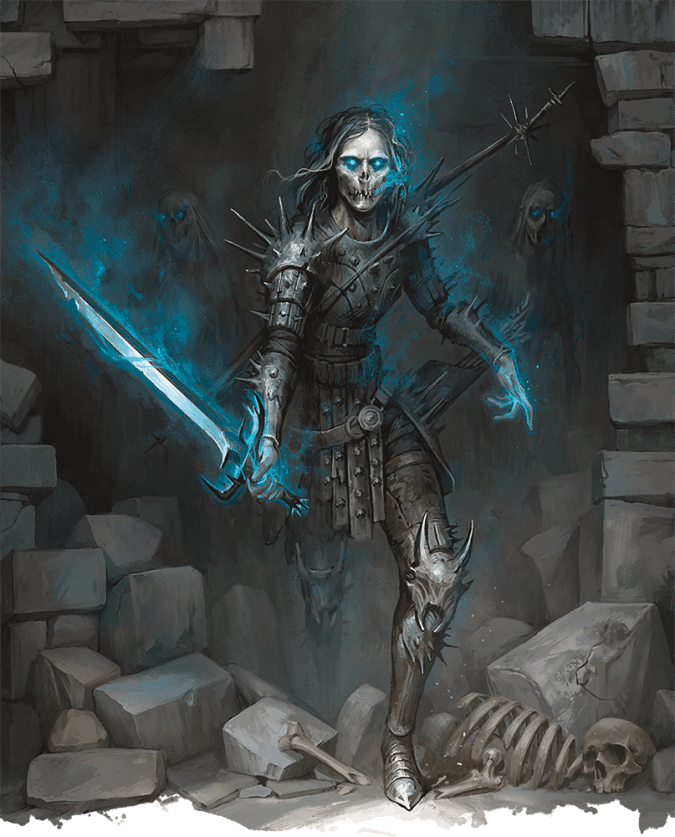
There can be much more to these undead than just a monster, however, and a little careful consideration can give you ever-expanding story ideas to build upon.
You can put your Wight at the heart of your adventures by giving it a reason to rise: who was this person before they died? Perhaps this is someone who served a cult of evil and undeath, like that of Orcus. When you’re bound to a cause as terrible as that, death is a minor annoyance on the road to conquest. Maybe they were stopped from conquering a kingdom or a nation by brave heroes, cut down before their reign could begin. But maybe not buried deeply enough, because they’re coming back to finish the job. If you want to really go all the way into Evil, you could make them a criminal, hanged for their horrifying misdeeds but not ready to stop their reign of crime.
Suddenly, this Wight is more than just a monster to take down. Now it’s a narrative engine for you to use.
Imagine this Wight as a crime lord, back from the dead to take over the criminal organization that betrayed it in life. With its ability to draw the life from its victims and to raise the dead under its command, it would be a simple matter to gain the loyalty – or at least obedience – of the superstitious, cowardly lot that are the criminals in your city. When you think about the factions of your city, this could be a very important one to consider, perhaps making it a source of information or hinderance to your party’s goals.
There are ways to put a twist on this tale of undeath, focusing on the tragedy of it instead of the terror. What if your party learns that the Wight’s revenge was justified? That they were betrayed, or wronged, and this undeath is the only justice they have left? What happens when the party realizes the only way to stop them is to finish the job that they couldn’t?
It’s also possible that this person didn’t want to come back. Perhaps they were raised by a necromancer who didn’t know what they were getting themselves into, but the Wight’s will was too strong to be broken. Now they’re undead, angry and unpredictable, but not necessarily evil. You could have a Wight that appears more enlightened – a cult leader who brings mortals and undead alike under their wing to promise that death is not the end of all things. They offer peace and hope, tinged with the unnatural horrors that come when you defy the grave.
The “why” of a Wight’s continued existence could provide an excellent starting point for your party’s adventure. Whether the Wight threatens them or impedes them, finding out who they were in life and what motivates them could be the difference between victory and defeat. Perhaps by uncovering who they were in life, they will find the keys to either ridding the world of this undead menace or – if you’re feeling morally creative – winning the undead menace to their side.
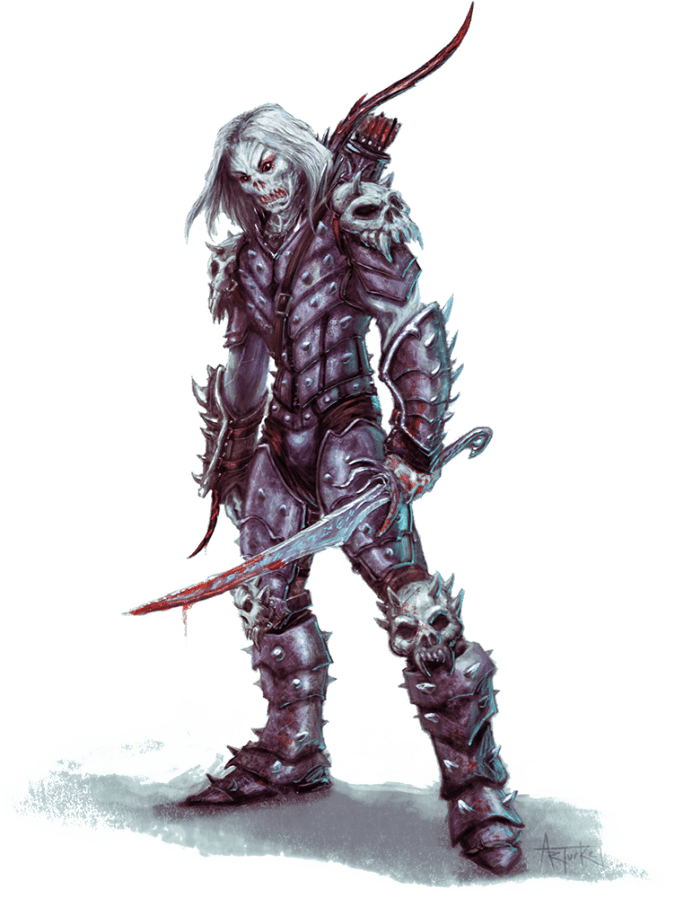
Wights can even speak to the big questions. What happens in that breath between life and death? What does it mean to cross over, and what kind of soul says No? You could build your campaign around the idea of Inevitability, and the choices one has to make when it seems like no choices are possible. Can your party deal with the way their world is about to change, or will they – like the Wight – stand in front of a changing world and say, “No. You move.”
Whoever your Wights are, these are people who can pursue their wicked goals without the hinderances of mortal life such as sleep or rest, and boosted by the horrifying gifts that undeath brings them, and that means your players will have to engage with them. This could allow you to push some interesting moral choices on the party. Are there certain evil people who can be useful to them? Do they need to learn how to back down when confronted with people who are driven by more than just a need to get together and roll dice with your friends? Does your Warlock need a patron to draw power from, one who offers the secrets of undeath in return for doing its bidding?
Whether they’re the boss of a crypt, the shadow behind a city’s criminal underworld, or a force that embodies the relentless march of life towards death, a Wight reminds your players that some ambitions are too strong to die—and too dangerous to ignore.
 Encounter Every Enemy
Pingback: Forever Hungry: The Power and Terror of Dracoliches | Encounter Every Enemy
Pingback: Monthly Monster Mashup 7: Dryad + Wight | Encounter Every Enemy