Let’s say your Players are in a city and, as they do, they have made an enemy out of someone powerful. A local Noble, perhaps, or a crime lord. Now you could have this enemy try to kill your Party. Always a fun solution. But murder ‘s one of those “When all you have is a hammer” solutions that is so prevalent in D&D. With a little creativity, you can signal the Enemy’s displeasure, but without having to resort to death.
As it turns out, carefully-administered violence will do the trick, as a couple of hired goons start to “just happen” to be around while your Players are shopping or hanging out at the local quest board. Big guys. Broad shoulders. The kinds of scars that don’t come from an honest fight.
They’re not here to kill your Players. They’re here to send a message.
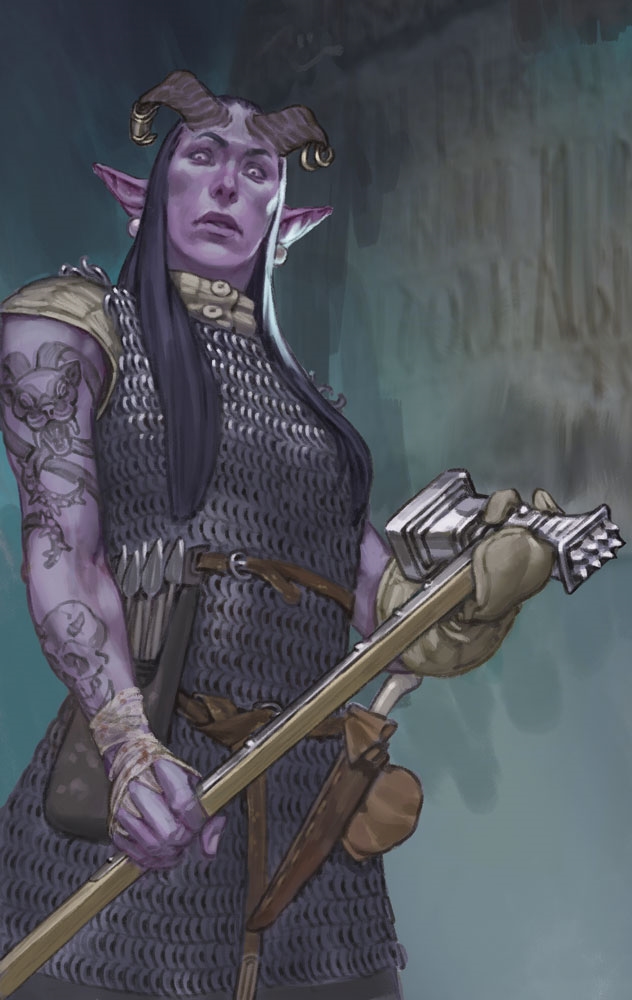
Something along the lines of, “Those are real nice kneecaps you have there. Be a shame if something happened to them.”
Toughs are a fascinating entry in the Monster Manual, because their existence implies so much about the world they live in. When you have a Dragon, for example, you just have a Dragon. But if you want to have Toughs in your game, that means you need to have a lot more.
These generally aren’t solo agents like Assassins would be. Toughs work for hire, selling their violent enthusiasms for a few gold coins and maybe other benefits their deep-pocketed benefactors might throw their way. These are professionals in the world of violence. Bodyguards, maybe ex-military, perhaps pit fighters who wanted a regular paycheck away from the jeers and cheers of a crowd. They get to hurt people for a living, and for some folks, that’s enough.
So who’s hiring the Toughs in your world? The obvious answer would be a crime boss. Your local Thieves’ Guild is probably crawling with Toughs, all cracking their knuckles menacingly and practicing that flat, dead-eyed stare that means someone’s going to need a lot of healing potions tonight. They travel with the smugglers, keeping people away from that one perfectly ordinary chest. They move with the Boss, making sure no one gets too close to her.
And, of course, they hit up the local shops to make sure the shopowners have kept up with their payments.
Honestly, I think most Toughs don’t really want things to end in death. Death means complications, and Toughs aren’t paid enough to deal with complication. They’re working class villains, not true believers who are trying to free Orcus or start a Dragon War. They’re there to make sure an important chamber of commerce leader doesn’t attend the council meeting tomorrow, and they get paid whether the guy is just scared or in traction. Whatever works.
In fact, toughs allow you to explore violence in a manner that your Players might not be prepared for. Not violence as an end in itself, but violence as communication. That shattered window means “Pay us.” The broken fingers mean “Next time it will be worse.” The violence that Toughs administer is a way to get a message across when normal channels have failed.
Now Knuckles the Orc isn’t just some guy who likes hurting people. He’s a guy who likes hurting people for a reason. And there is a difference. It’s a very fine one, but it’s there.
Of course, Players being what they are, Knuckles probably won’t survive bringing his message to your Party. He’ll club your Wizard over the head, start to say something like, “The Velvet Blade sends their regards.” But a broadsword through the chest shuts him up, and whatever the Velvet Blade wanted dies with him.
Message sent. New message received. And it looks like The Velvet Blade is going to become a problem, because The Blade takes care of their own, and Knuckles had a husband and three adorable children. You monsters.
And that might be something else you can explore: the human side of being, essentially, disposable muscle. These may be CR 1/2 people, but they’re still people. They don’t get the big, flashy jobs, and they must know that there are plenty more where they come from, so what keeps them working for the Big Bad? Is it money? Do they have nowhere else to go?
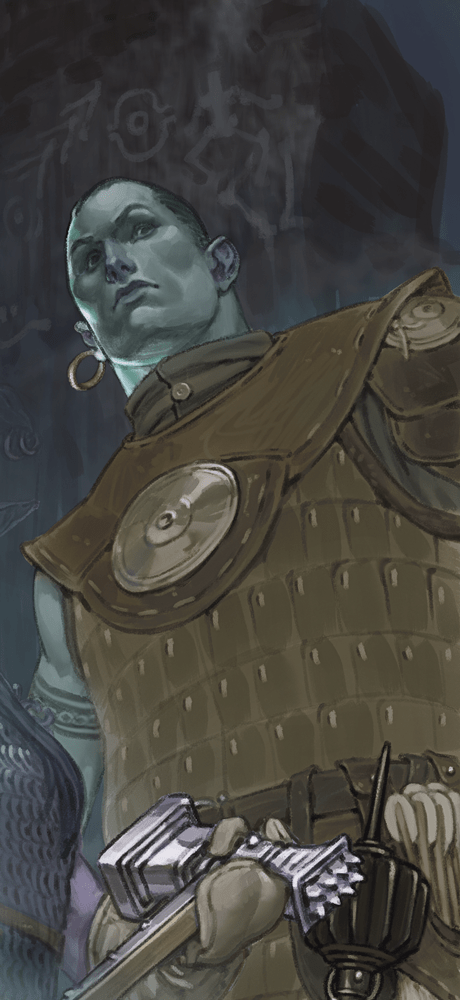
More importantly, might this be something your Party might exploit?
What if your Party, flush with cash after “liberating” the Goblin stronghold of the Iron Mountains, decides that rather than killing the next Tough they meet, they decide to hire her? Your Adventurers are fluent in the kind of violence that ends in dead dragons and unfulfilled prophecies, but maybe they need someone who can speak the street-level thuggery that is necessary to actually get something done in this city. And now they’re responsible for this person and the person this person is responsible for, which is a far different quest than they might have expected to take on.
Now your Players aren’t just the ones receiving messages written in violence. They’re composing them. Whom will they send their Tough after? What message will your Players want to send, and how much violence are they willing to put behind it?
“Everybody has a plan,” Mike Tyson once said, “until they get punched in the mouth.”
When you include Toughs in your adventures, violence is more than just swords and spells. It’s an argument. Punctuated with fists and followed up by a sternly-worded kneecapping.
Violence in D&D, as in most places, is an argument. The Toughs deliver it for you. And once someone has been punched in the mouth, they get to decide how they’re going to answer.
 Encounter Every Enemy